
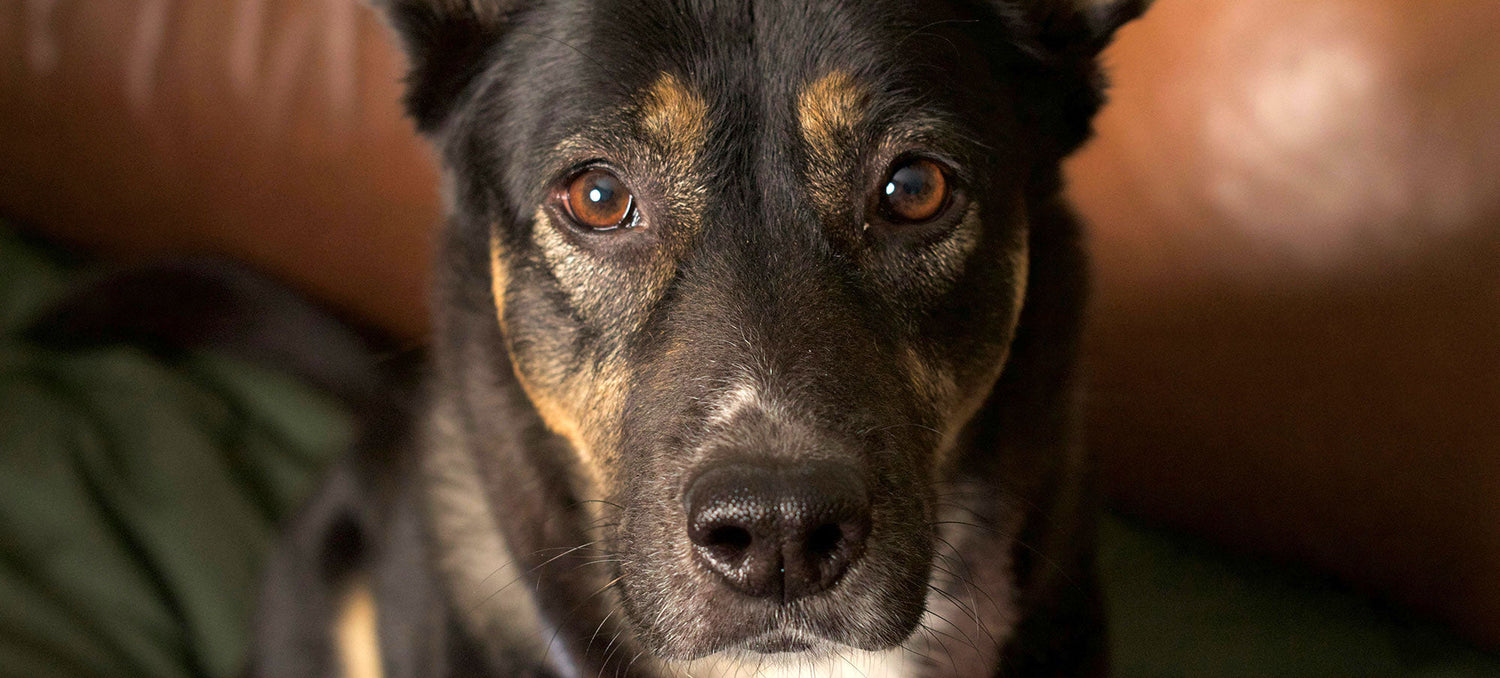
The joint damage is happening right now. You're just not paying attention yet.
Here's something most dog owners don't think about until it's way too late: joint health.
We'll spend three hours researching the best kibble brand but don't think twice about our dog's joints until one day our seven-year-old struggles to get off the couch and we're completely blindsided.
"When did this happen?"
It didn't happen overnight. You just weren't paying attention.
By the time your dog is visibly struggling, the damage has already been done. Cartilage has worn down. Inflammation has set in. Arthritis is already there.
And here's the kicker - cartilage doesn't regenerate. Once it's damaged, it's damaged. You can manage it, slow progression, make your dog more comfortable. But you can't reverse it.
The choices you're making right now are determining whether your dog will still be running at 10 or struggling to stand at 7.
Joint Health Isn't Just for Old Dogs
If you think joint support is something you start worrying about when your dog hits 10, you're already behind.
Joint health starts when your dog is young. It's about not letting your puppy become overweight, managing exercise appropriately, watching for early warning signs, and being proactive instead of scrambling to fix things later.
Because once cartilage is damaged, you're in management mode, not prevention mode. And management is harder, more expensive, and less effective.
Weight Is the Biggest Factor You Actually Control
Let's just rip the bandaid off: if your dog is overweight, you are actively destroying their joints.
Every extra pound your dog carries is additional stress on their joints. For every pound of extra weight, there's approximately four pounds of pressure on their joints when they move.
Your chubby dog isn't cute. They're at high risk for hip dysplasia, arthritis, cruciate ligament tears, chronic pain, and reduced mobility as they age.
I know. Your dog loves treats. They give you those eyes.
But you're the adult here. You control the food bowl. Keeping your dog at a healthy weight is literally one of the most impactful things you can do for their long-term joint health.
It's not negotiable. It's math.
Exercise Matters, But So Does the Type
Movement keeps muscles strong, and strong muscles support joints. Weak muscles mean joints are taking all the stress.
But not all exercise is equal.
High-impact activities like repetitive jumping, hard stops and starts, or obsessive ball-chasing can be tough on joints - especially for breeds already prone to hip dysplasia.
Low-impact activities like swimming, controlled walks, and steady hiking are gentler while still keeping muscles strong.
Your dog needs exercise appropriate for their age, size, breed, and current physical condition.
Also, if your dog is a weekend warrior - sedentary all week, then suddenly hiking 10 miles on Saturday - you're setting them up for injury. Consistency matters way more than intensity.
Supplements Can Actually Help (But They're Not Magic)
Glucosamine and chondroitin are the most researched joint supplements, and there's solid evidence they can help support cartilage health and reduce inflammation. They won't reverse existing damage, but they can slow progression and improve comfort.
Omega-3 fatty acids (fish oil) have anti-inflammatory properties that help with joint inflammation.
Here's the key: supplements work best as prevention or early intervention, not as a Hail Mary when your dog can barely walk.
Start them before you think you need them, especially for large breeds or breeds known for joint issues (German Shepherds, Labs, Goldens, Rottweilers, Bulldogs).
Talk to your vet about which supplements are actually worth the money. Not all are created equal.
Your Home Setup Matters More Than You Realize
Small changes can make a massive difference:
- Traction on slippery floors. Rugs, yoga mats, or dog grip socks help them feel more stable.
- Ramps instead of stairs. Especially for cars. Every jump down is impact their joints absorb.
- Orthopedic beds. A good supportive bed reduces pressure on joints while they sleep.
- Raised food bowls. For larger dogs, this reduces strain on neck and shoulder joints.
These aren't just for senior dogs. They're beneficial for any dog, especially breeds genetically prone to joint issues.
Know the Early Warning Signs
Your dog won't announce their hip hurts. You have to notice the subtle signs:
- Stiffness after rest (especially mornings)
- Hesitation before jumping
- Slowing down on walks
- Licking or chewing at joints
- Difficulty getting up or lying down
- Subtle limping (even if it comes and goes)
- Decreased interest in play
If you see any of these, don't "wait and see." Get them checked. The earlier you catch joint issues, the more you can do.
Pain Management Is Part of Joint Care
If your dog already has arthritis or joint pain, managing that pain isn't "masking the problem." It's comprehensive care.
A dog in pain moves less. A dog that moves less loses muscle. Lost muscle means more stress on joints. More stress means more pain. More pain means even less movement.
It's a vicious cycle.
Breaking that cycle with appropriate pain management - NSAIDs, other medications, joint injections - isn't giving up. It's smart.
The Clock Is Ticking
Your dog's joints are aging right now. Every extra pound they're carrying, every high-impact jump, every day of weak muscles - it's all adding up.
The good news? You still have time.
Keep them at a healthy weight. Exercise them consistently and appropriately. Consider joint supplements before problems start. Make your home joint-friendly. Watch for early warning signs.
You can't prevent every joint issue - genetics play a role. But you can give your dog the best shot at staying mobile and comfortable for as long as possible.
The choices you make today determine whether your dog is still hiking with you at 12 or struggling to walk around the block at 8.
Choose better.
Your dog's joints are working hard every single day. Start protecting them now, not when it's too late.





Leave a comment
All comments are moderated before being published.
This site is protected by hCaptcha and the hCaptcha Privacy Policy and Terms of Service apply.